
Meghalaya, North East India
Jowai
Jowai – West Jaintia Hills of Meghalaya
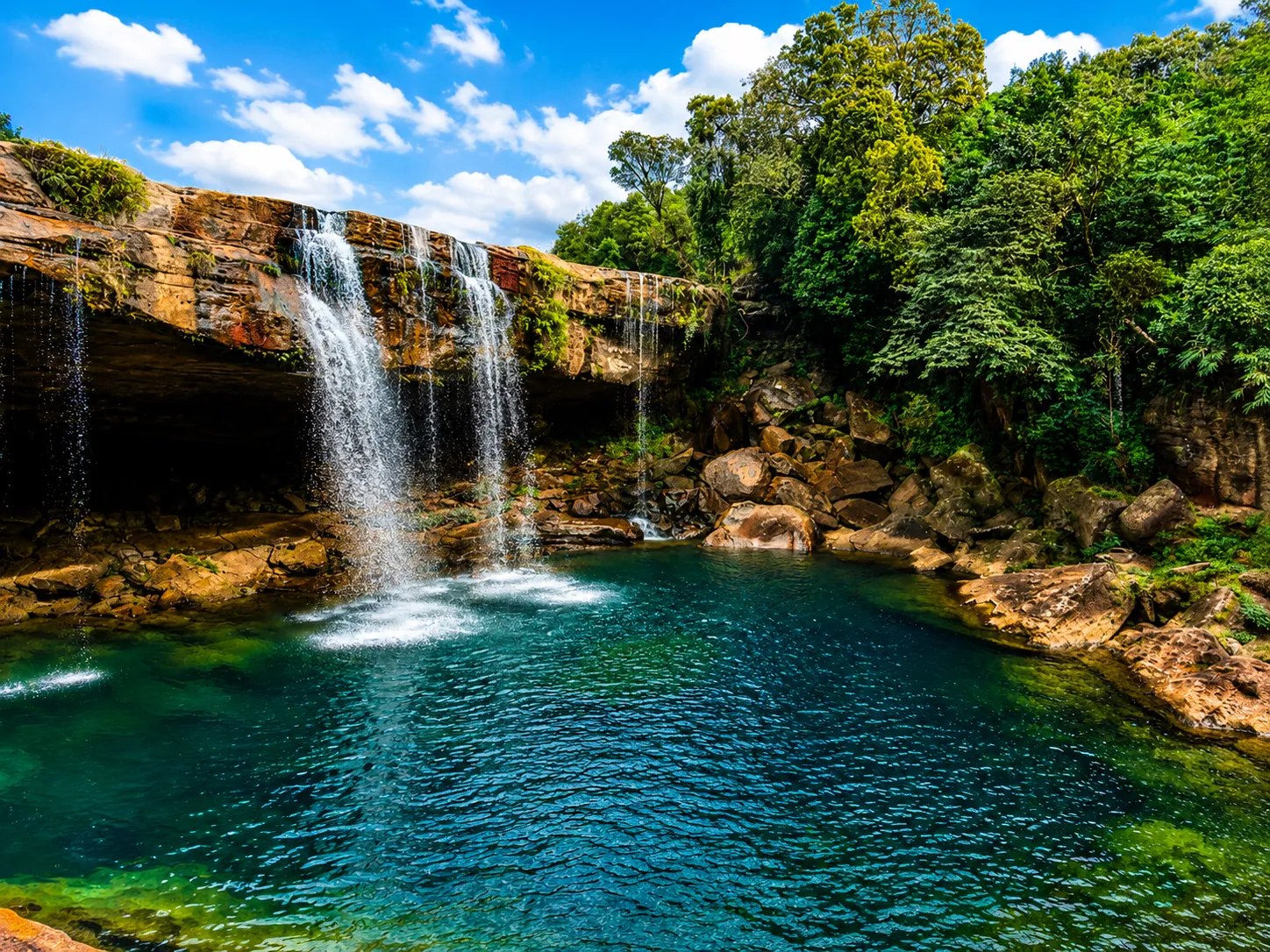
Jowai, the administrative headquarters of West Jaintia Hills district in Meghalaya, sits along the banks of the Myntdu River, which borders the town on three sides. Home to the Pnar tribe, this offbeat hill town charms visitors with turquoise waterfalls, ancient monoliths, and a quieter, more authentic slice of Meghalaya than the well-trodden Shillong–Cherrapunji circuit.
Stays in Jowai
No stays listed in Jowai just yet.
Browse all staysTravel guide
By Air: Jowai has no airport of its own. The nearest airport is Shillong Airport (Umroi), about 35 km away. Guwahati's Lokpriya Gopinath Bordoloi International Airport, roughly 160 km away, offers wider and more reliable connections to major Indian cities. By Rail: Jowai has no direct rail link. The nearest usable railhead is Guwahati Railway Station, from where onward travel continues entirely by road. By Road: From Shillong, it's about a 2.5-hour drive (roughly 60–65 km) via NH-40, through misty hills and lush valleys as you enter the Jaintia Hills. From Guwahati, expect a longer 5–6-hour journey (about 160 km), either via the Shillong bypass (NH-44) connecting to NH-40, or directly through Assam's plains before climbing into Meghalaya. Shared Sumos, taxis, and buses run regularly from Shillong's Bara Bazaar and Mawlong hat parking lot to Jowai. Local Highlights in West Jaintia Hills: Krang Suri Falls, one of India's most stunning turquoise waterfalls, about 90 km/4 hours from Shillong. Nartiang Monoliths, Asia's largest collection of megalithic stones, alongside the ruins of the Jaintia king's Summer Palace and the 600-year-old Durga Temple. Thadlaskein Lake, a sacred picnic spot about 8 km from Jowai. Syntu Ksiar, a riverside memorial honoring freedom fighter Kiang Nangbah. Travel Tip: Since lodging options within the region are limited, many travelers base themselves in Shillong and organize day trips into West Jaintia Hills from there.
Weather note
March to June offers pleasant weather, avoiding the heavy monsoon rains (June–September).