
Assam, North East India
Majuli
Majuli - The World's Largest River Island
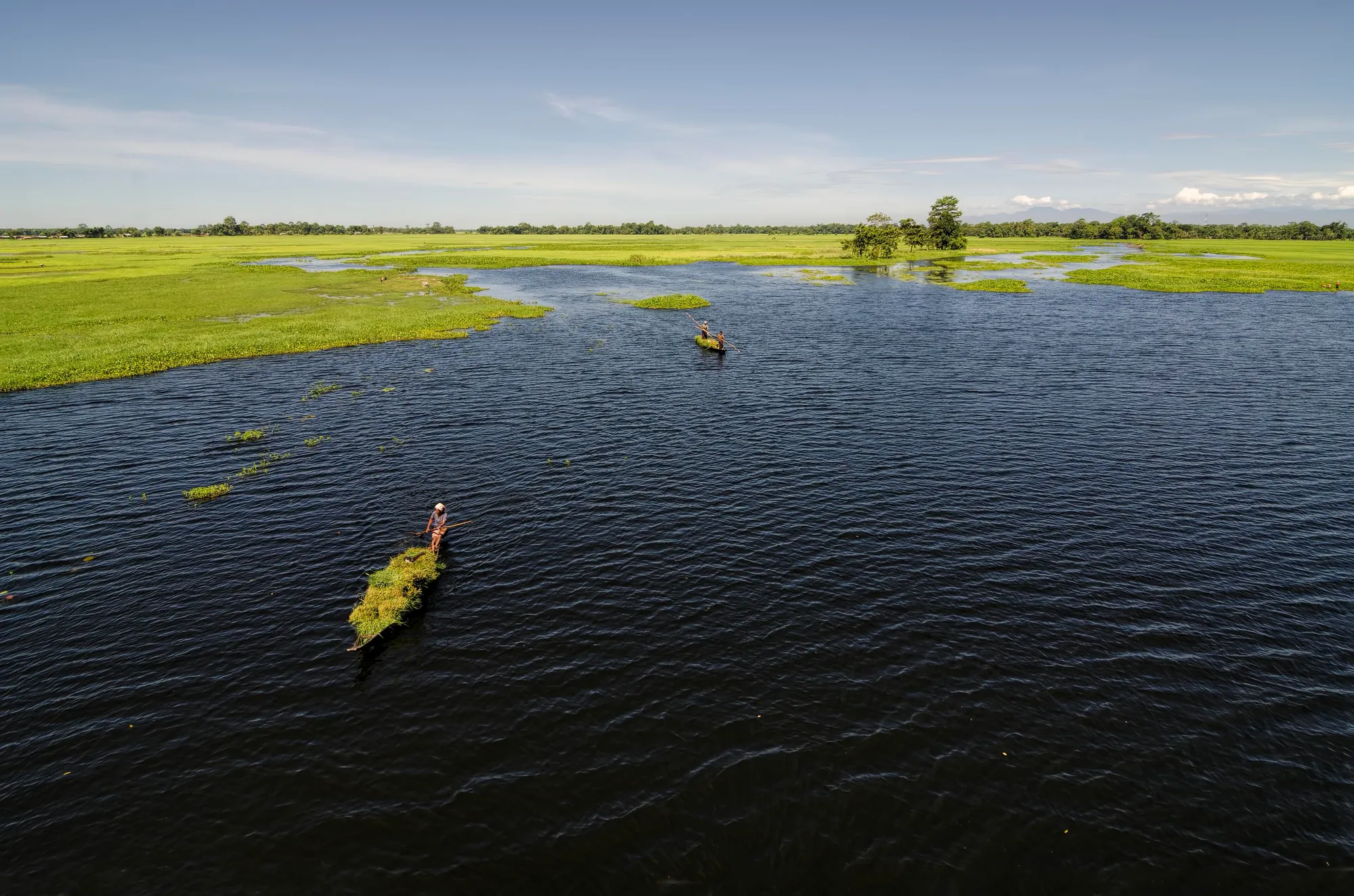
Majuli, cradled in the mighty Brahmaputra River in Assam, holds the title of the world's largest river island and is celebrated as the cultural capital of Assamese Vaishnavite heritage. Once the seat of the 16th-century Chutia kingdom, the island is home to numerous satras (Vaishnavite monasteries) established by the reformer Srimanta Sankardeva, along with traditional mask-making, rich birdlife, and Mishing tribal culture.
Stays in Majuli
No stays listed in Majuli just yet.
Browse all staysTravel guide
By Air: Majuli has no airport of its own. The nearest is Jorhat Airport (Rowriah), about 14–20 km from the ferry point at Nimati Ghat, with regular flights from Guwahati, Kolkata, and occasionally Delhi. Guwahati's Lokpriya Gopinath Bordoloi International Airport, roughly 300 km away, offers the widest connectivity to major Indian cities. By Rail: The nearest railway station is Jorhat Town, about 14–20 km from Nimati Ghat. Mariani Junction, a bigger station around 19–22 km from Jorhat, has better long-distance connectivity to Guwahati and Dibrugarh. By Road & Ferry: From Guwahati, Jorhat is about 300–350 km away, taking roughly 6–7 hours by road via buses, taxis, or ASTC deluxe services. From Jorhat, it's a short drive of about 20 km (30–40 minutes) to Nimati Ghat, the main ferry point. The ferry ride across the Brahmaputra to Kamalabari Ghat on Majuli takes approximately 1–1.5 hours, with government ferries typically running from around 8:30 AM to 3:30 PM (timing can shift with river conditions). Once on the island, cycle rickshaws, rented bicycles, and local taxis are the best ways to get around. Travel Tips: Ferry services can be disrupted during monsoon season due to high water levels, so it's best to arrive at the ghat early and confirm timings in advance; online ferry booking is also available via the Assam Inland Water Transport portal.
Weather note
October to March offers the coolest, most pleasant weather, ideal for exploring monasteries and spotting migratory birds.